2 The impact of false positive results includes risk of overestimating the COVID-19 incidence the demand on. Antibody Testing for COVID-19.
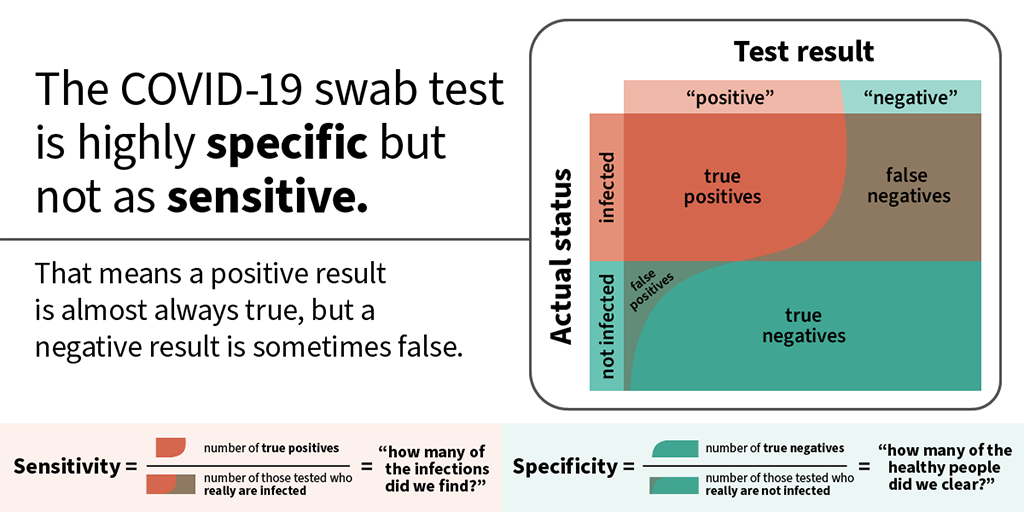
How Accurate Are The Laboratory Tests Used To Diagnose Covid 19 Mit Medical
No test is perfect Lets say for example the real-world false positive rate is.
Covid 19 test false positive rate. If the test comes back positive we can be sure that it has correctly detected genetic material from the SARS-CoV-2 virus the virus that causes COVID-19. The PCR test used by MIT like other PCR tests is very unlikely to return a false positive. Results of 43 EQAs were examined giving a median false positive rate of 23 interquartile range 08-40.
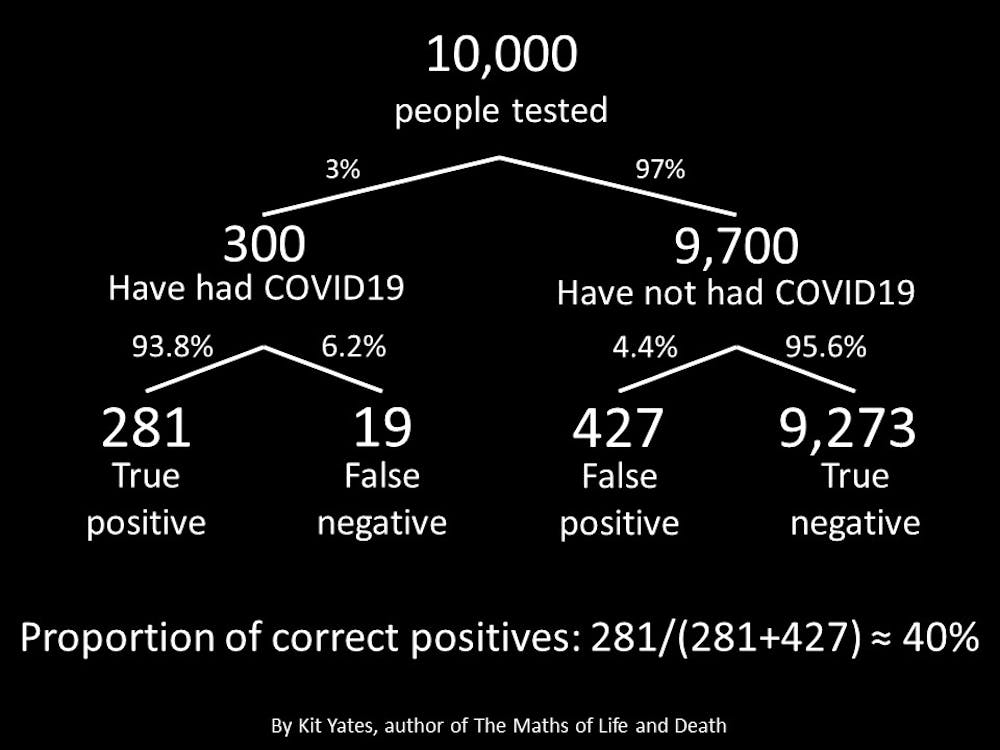
A false-positive result is when you test positive for COVID-19 despite not actually being infected with the illness according to Harvard Health. These doctors are warning that Covid-19 screening in schools will very likely yield 71 out of 72 false positives just one true positive out of 72 positive test results. This means it almost never gives a false positive.
False-Positive Rates by Population Prevalence and Test Specificity Prevalence of previous SARS- CoV-2 infection False-positive rate. An attempt has been made to estimate the likely false-positive rate of national COVID-19 testing programmes by examining data from published external quality assessments EQAs for RT-PCR assays for other RNA viruses carried out between 2004 -2019 7. A positive test result for COVID-19 indicates that RNA.
On the other hand rapid tests give a false positive less than 1 percent of the time. For instance at an estimated 5 prevalence between 1 in 10 and 1 in 6 positive results would be false positives even for the most sensitive rapid antigen tests when used in symptomatic people. So thats very promising.
The Rutgers cohort had no false negatives. COVID-19 Rapid Antigen Tests Can Give False Positive Results By Aparna Zalani CBS 11 Special Projects Producer November. By that definition no your test was almost certainly not a false positive.
False-positive COVID-19 cases occur in erroneous testing and cross-reactions and place patients at risk through cohorting with other COVID-19 cases. Such as local prevalence rates and. If you are tested for COVID-19 and the test comes back positive you can be very sure that you are infected with this virus.
This rate of false positives PCR test results has been estimated at between 08 and 43. Including repeat tests the overall positivity rate was 22. False-negative COVID-19 cases occur through sample deficiency concurrent respiratory infection or test inhibitors and place healthcare workers other patients and the general public at risk for infection from an.
The accuracy of COVID-19 tests can vary due to a number of factors. The FDAs warning comes a day after The New York Times reported on a University of Arizona study raising concerns about th e ability of a Quidel rapid antigen test to detect asymptomatic c ases. With regard to the COVID-19 PCR test results figures which are published by the office of national statistics could you tell me how you apply the estimated false positive percentage rate to the data you receive.
With a false positive rate of 08 - a figure used by Ms Hartley-Brewer and within the broad range of what we think might be the actual rate for community testing -. The genetic material from SARS-CoV-2 cannot be confused with the genetic material from other viruses so the COVID-19 test is highly specific. At the end of July 2020 the positivity rate of swab tests within both pillar 1 17 and pillar 2 05 remained significantly lower than those in early April when positivity rates reached 50.
Between January 21 and April 18 2020 100001 COVID-19 tests 95919 patients were completed with 1954 2 individual cases confirmed see Additional file 3. With a false positive rate of 08 - a figure used by Ms Hartley-Brewer and within the broad range of what we think might be the actual rate for community testing -. False positives are when people test positive for Covid-19 despite not actually being infected with the virus.
So to summarize. This test can give a false positive result even when used. 1 Public Health England reports that RT-PCR assays show a specificity of over 95 meaning that up to 5 of cases are false positives.
The specific issue at the centre of. Its not hard to see how that may be labeled a false positive catastrophe as it leads to renewed fear panic-based responses shutting schools again or delaying reopening etc. If a test with 98 specificity is used to screen a population in which 10 of people are infected two out of every 10 positive results will be false.
Why do some COVID-19 tests come back with a weak positive and why does it matter. A rapid COVID-19 test can be a useful preliminary test to. False positives can happen with any test and if someone tests positive for COVID-19 with a rapid test but does not have symptoms he recommends following up with a PCR test to confirm that this.
In addition a recent peer-reviewed publication from the University of Utah involving 354 patients showed similarly high positive percentage agreement 94 and negative percentage agreement 98 between COVID-19 saliva and nasal swab testing. How Common Is a False-Positive COVID-19 Test. The UKs COVID-19 testing programme uses real-time reverse transcription polymerase chain reaction RT-PCR tests to detect viral RNA.
Coronavirus Surprisingly Big Problems Caused By Small Errors In Testing
Coronavirus Surprisingly Big Problems Caused By Small Errors In Testing

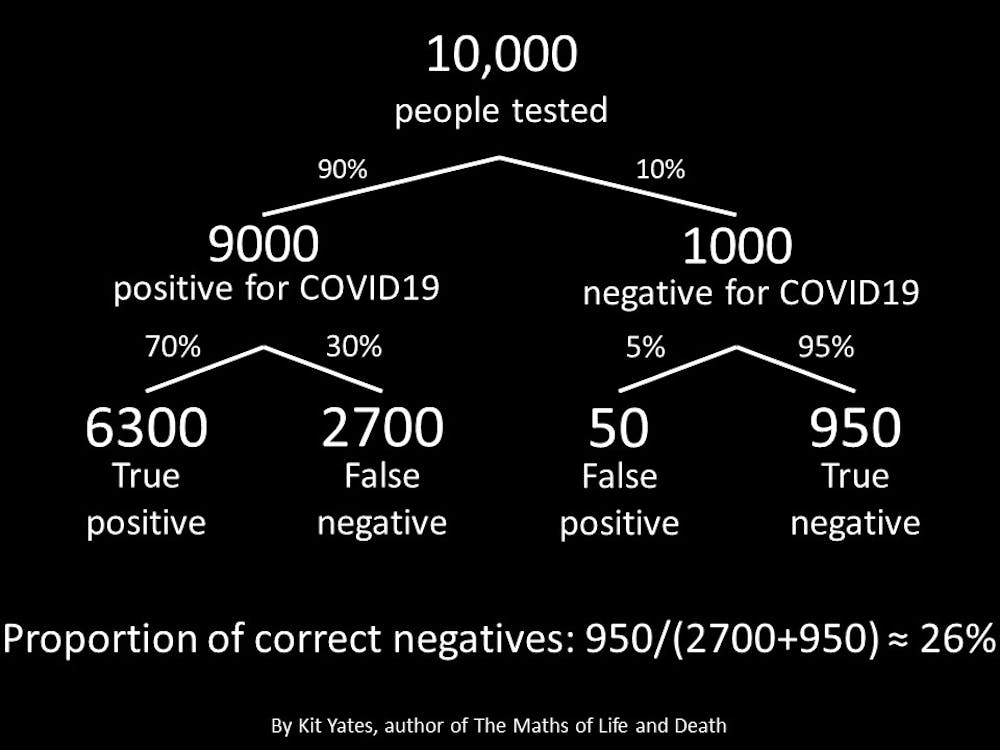
False Negative Tests For Sars Cov 2 Infection Challenges And Implications Nejm

Sars Cov 2 Testing Sensitivity Is Not The Whole Story
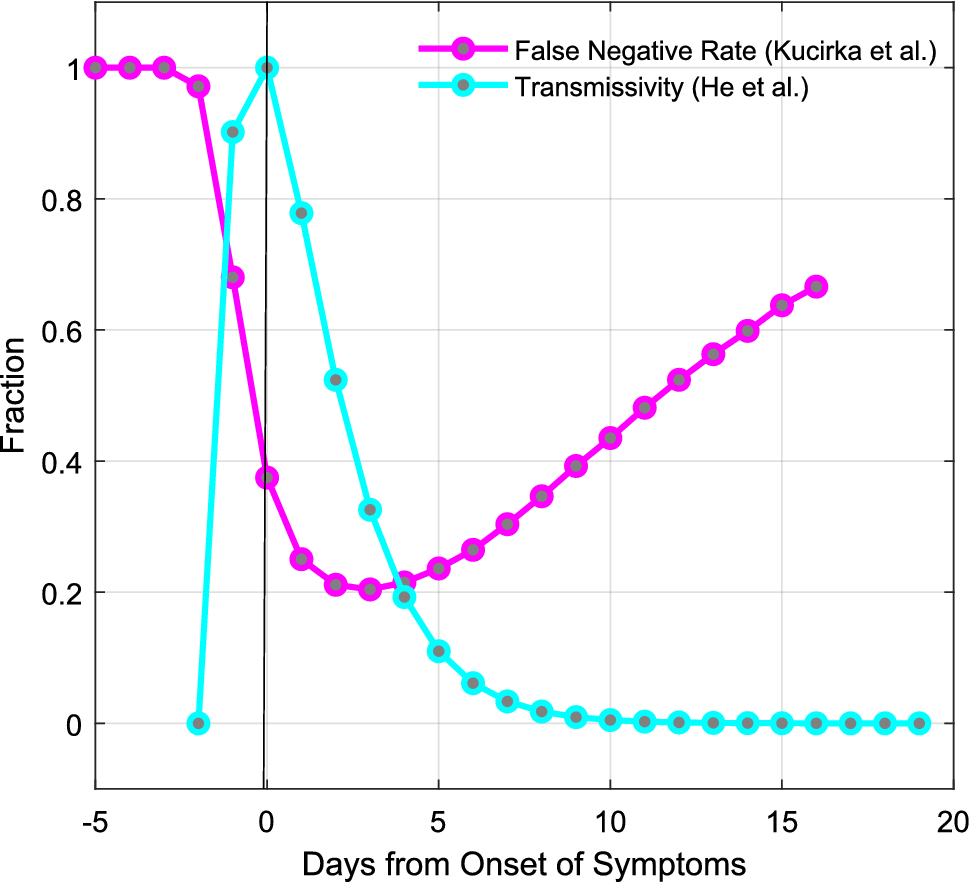
Temporal Dynamics Of Viral Load And False Negative Rate Influence The Levels Of Testing Necessary To Combat Covid 19 Spread Scientific Reports


Tidak ada komentar:
Posting Komentar